Skip to content

The Inside Scoop on Cholesterol and The One Chinese Herb That Could Crush It

hawthorn-01According to the Centers for Disease Control and Prevention (CDC), people who suffer from high LDL cholesterol are twice as likely to develop heart disease – the number one cause of death in both men and women (source). High levels of LDL cholesterol is a serious health condition that affects approximately 71 million adults in the U.S. (1 out 3). But an ancient Chinese herb is turning heads in the medical community due to its surprisingly powerful effects on cholesterol levels.

Good vs Bad Cholesterol: What’s The Difference?

continue reading »

Posted in Chinese Medicine | Tagged , | Comments Off on The Inside Scoop on Cholesterol and The One Chinese Herb That Could Crush It

Acupuncture and Fall Foods

The dropping temperatures and colorful landscape can only mean one thing: fall is right around the corner. Also known as the Autumnal Equinox, the fall season begins on September 23 and lasts until December 21. During this time many people will succumb to illness, such as the common cold, flu virus (influenza) or infections, but the good news is that you can protect yourself from seasonal fall sickness by eating the right foods and seeking the services of a licensed acupuncturist.

pumpkin-01

Pumpkins

Pumpkins aren’t used strictly for making spooky Halloween jack-o-lanterns; they are also a nutrition-packed fruit that’s loaded in beneficial vitamins and minerals. Pumpkins are classified as a member of the Cucurbitaceae family, which is the same family as squash, cantaloupes and cucumbers. This festive orange fruit is loaded in variety of free radical-fighting antioxidants, such as leutin, xanthin and carotenes.

Pumpkin seeds are equally as nutritious as the actual fruit. They are an excellent source of  fiber, monosaturated fatty acids (the good fat), protein, selenium, zinc and iron. So instead of tossing the pumpkin “guts” in the trash, bake them on a cookie sheet for a nutritious snack.

Apples

The adage “an apple a day keeps the doctor away,” holds true during the fall season. When you feel the onset of a hunger craving, grab an apple. It’s a sweet and delicious fruit that’s chock-full of beneficial vitamins.

Apples contain vitamin A, vitamin C, vitamin B-6, iron, magnesium, calcium, potassium and fiber. And at just 90 calories per serving, it’s a great snack choice for people who are trying to lose weight.

Brussels Sprouts

A third food that you should include in your diet this fall is Brussels sprouts. Sprouts boost immune function with their high concentration of vitamin A. and antioxidants. Brussels sprouts are also rich in protein and dietary fiber, which is just one more reason why they should be a regular part of your diet.

If you don’t prefer the taste of plain Brussels sprouts, you can make them a bit more palatable by roasting them in the oven with a glaze of olive oil and all-natural sea salt. This will create a caramelized coating that compliments its natural flavors..

Beat Seasonal Fall Illness With Acupuncture

If you really want to safeguard yourself against illness this fall season, you should consider scheduling an appointment with a licensed acupuncturist. People  from across the world have used this ancient practice for centuries to ward off disease and improve their overall health. Acupuncture works by stimulating the body’s natural healing mechanism, which subsequently boosts the immune system and white blood cell (WBC) count.

Posted in | Comments Off on Acupuncture and Fall Foods

Boost Your Immune System Using These Two Points

Lu 7 and St 36

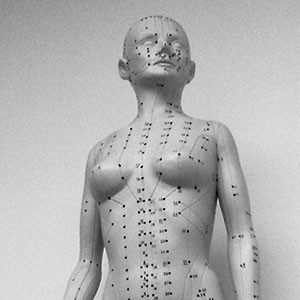
Although they are invisible to the naked eye, we are exposed to millions upon millions of germs. Bacteria, viruses , fungi and protozoa are found on nearly every surface,  including doorknobs, furniture, office supplies, phones, remote controls, and even the food we eat. Thankfully, most of these germs are harmless and pose no direct threat to our health, but there are others which aim to cause infection and illness. You can safeguard yourself against these foreign invaders, however, by utilizing the Lu 7 and St 36 acupuncture po330446798_382e2ae7f7_zints.

Lu 7 Acupuncture Point

The Lu 7 (also known as the Lieque 7 or Lung 7) is an acupuncture point that’s commonly used to treat bodily infections while subsequently boosting the immune system. To locate it, form a “thumbs up” gesture with your hand and look for the small crease in your skin at the base of your thumb. The Lu 7 acupuncture point is found roughly 2 finger-lengths up the wrist from this crease. It’s most easily identified by feeling around this area of your wrist for a subtle depression at the bottom of two tendons.

Lu 7 is known to offer relief of the following symptoms:

  • Sore throat
  • Runny nose
  • Nasal congestion
  • Chest congestion
  • Body aches
  • Fever
  • Headache
  • Muscle cramps

Stu 36 Acupuncture Point

The St 36 (also known as Zusanli, Leg Three Mile or Stomach 36) is another powerful immune-boosting acupuncture point. Don’t let its name fool you into thinking it’s located on the stomach, though. St 36 is actually located on the underside of the leg, directly behind and below the patella.

St 36 receives its namesake for the symptoms it’s used to treat. While Lu 7 focuses on cold and fever-like symptoms, St 36 is used more digestive problems.

Lu 7 is known to offer relief of the following symptoms:

  • Constipation
  • Diarrhea
  • Acid reflux
  • Heartburn
  • Gas
  • Low energy

How Lu 7 and St 36 Can Improve Immune System Function

The human body’s built-in mechanism for defending against germs and foreign invaders is the immune system. This complex system is comprised of a variety of different white blood cells, such as neutrophilis, eosinopholis, monocytes and basophils, that actively seek out and neutralize harmful germs. Acupuncture treatments using the Lu 7 and St 36 stimulate the immune system so it produces more of these “fighters,” which in turn keeps us healthy while protecting against disease and illness.

Photo Credit:  Thunderchild7 via Flickr Creative Commons.

Posted in | Comments Off on Boost Your Immune System Using These Two Points

6 Tips To Keep You Strong and Healthy This Fall

According to the Centers For Disease Control and Prevention (CDC), approximately 5-20% of people in the U.S. will catch the flu virus, 200,000 of whom will be hospitalized due to the complications (source).  Although you can catch the flu virus at any time of the year, it’s far more prevalent during the fall and winter months. To protect yourself against the flu, colds and other illnesses this fall, check out the following 6 tips.

#1) Stay Active

Exercise plays a direct role in the human body’s immune function. Whether it’s running, jogging, playing tennis, or using your preferred machine at the gym, physical activity stimulates white blood cells and antibodies, sending them throughout the body. This improves the immune system’s ability to fight off infectious diseases, so be sure to exercise on a regular basis this fall.

oranges-01

#2) Increase Your Vitamin C Intake

Vitamin C is a naturally occurring antioxidant that can improve your health and protect against illness. A study conducted in 2007 found that a daily 200 milligram dose of vitamin C when taken at the onset of a cold shortened its duration by 8% in adults and 14% in children. With fall and winter being the prime time of year for colds, it’s a good idea to supplement your daily diet with at least 75 milligrams of this powerful antioxidant.

#3) Cut Back on Refined Sugars

Consuming too much refined sugar can increase your risk of developing type II diabetes, obesity and cardiovascular disease. It’s also been proven to suppress the immune system, leaving individuals more susceptible to disease and illness.

So, how sugar should you consume to stay healthy throughout the fall season? The American Heart Association (AHA) currently recommends a maximum of 37.5 grams of refined sugar per day for men and 25 grams for women.

#4) Eat Fall-Colored Foods

Yet another way to improve your health is to eat more fall-colored foods. Generally speaking, the more color you have on your dinner plate, the better. Foods that are bright orange, red and green are all excellent sources of vitamins and antioxidants. Some ideas include squash, bell peppers, zucchini and broccoli, all of which will help keep you healthy this fall season.

#5) Make a Soup

There’s no better time than the chilly fall season to make a hearty beef and vegetable soup. Avoid store-bought soups, which are usually loaded in sodium and preservatives, and instead make your own from scratch. This allows you to include a variety of beneficial vegetables and seasoning, tailoring it to your own personal preference.

Posted in | Comments Off on 6 Tips To Keep You Strong and Healthy This Fall

Anxiety

According to the Anxiety Disorders Association of America, anxiety disorders are the most common mental health disorder in the U.S., affecting 40 million adults and costing more than $42 billion a year.

Feelings of anxiety, worry and fear related to significant and challenging events are justified and very common. Anxiety becomes a problem when emotional reactions are out of proportion with what might be “normally” expected in a situation, and when symptoms interfere with a person’s daily functioning or sleep patterns. Mild anxiety leaves a person feeling a bit unsettled, while severe anxiety can be extremely debilitating.

Anxiety is used as a general term for several disorders that have common symptoms – such as nervousness, worrying, apprehension and fear. Anxiety disorders can be classified into several more specific types. The most common are briefly described below.

Generalized Anxiety Disorder (GAD) is characterized by unrealistic, persistent and excessive worry about everyday things. People with this disorder often expect the worst and experience exaggerated worry and tension, even when there is no apparent reason for concern.

Panic Disorder is characterized by brief or sudden attacks of intense terror and apprehension that leads to shaking, confusion, nausea, dizziness and difficulty breathing. Panic attacks tend to arise abruptly and seemingly out-of-the-blue, causing the individual to become preoccupied with the fear of a recurring attack.

Phobia is an irrational fear and avoidance of an object or situation. Phobias commonly focus on flying, bridges, insects, heights, dental or medical procedures and elevators. Having phobias can disrupt daily routines, reduce self-esteem, limit work efficiency and put a strain on relationships.

Social Anxiety Disorder is characterized by a fear of being negatively judged and scrutinized by others in social or performance-related situations. Different variations of this type of anxiety include a fear of intimacy, stage fright and a fear of humiliation. People suffering from this disorder can sometimes isolate themselves in an attempt to avoid public situations and human contact.

Obsessive-Compulsive Disorder (OCD) is an anxiety disorder characterized by unwanted or intrusive thoughts, which often make the sufferer feel compelled to repeat certain behaviors or routines. Even when the OCD sufferers know the irrationality of their compulsions, they feel powerless to stop them. They may obsessively wash their hands, clean personal items or constantly check light switches, locks or stoves.

Post-traumatic Stress Disorder (PTSD) is anxiety that results from previous trauma such as military combat, rape, a natural disaster, a serious accident or other life-threatening events. Most people who experience such events recover from them, but people with PTSD continue to be anxious and severely depressed for months or even years following the event. They often experience flashbacks and behavioral changes in order to avoid certain stimuli.

Acupuncture Can Help. A clinical study conducted in China in 2010, has concluded that acupuncture is a “safe and effective” treatment for mood disorders including depression and severe anxiety, in some cases proving to increase the effectiveness of medication-based treatments. Additionally a 2009 study, again in China, determined that acupuncture alone could help patients who suffer from anxiety but cannot be chemically treated due to intolerable side-effects of medications.

In many Western schools of thought, anxiety disorders are considered to be dysfunctions in a person’s brain chemistry. An acupuncturist does not view anxiety as a brain dysfunction, but rather as an imbalance in a person’s organ system. In Traditional Chinese Medicine, this imbalance is called Shan You Si (“anxiety & preoccupation”), and is believed to affect the main organs: the Heart, Lung, Spleen, Liver, and Kidneys. Each organ is related to different aspects of a person’s emotions.

For instance, worry is said to affect the Spleen, grief affects the Lungs, anger the Liver, fear the Kidneys, and lack of joy the Heart. If a person experiences one or more of these emotions over a long period of time due to lifestyle, dietary, hereditary and environmental factors, it can cause an imbalanced emotional state and lead to various anxiety disorders.

The role of an acupuncturist is to investigate the underlying causes of the anxiety by carrying out a thorough diagnostic evaluation in order to determine which organ system has been affected and is out of balance. The acupuncturist will then seek to restore the imbalance by inserting fine, sterile needles into the points correlating to those organs. Additionally, acupuncture helps to reduce stress, ultimately encouraging and supporting a greater sense of well-being and balance.

Resources:

http://www.adaa.org/about-adaa/press-room/facts-statistics

http://www.acupuncture.com/newsletters/m_july10/anxiety.htm

Zhang (2010). “The effectiveness and safety of acupuncture therapy in depressive disorders: Systematic review and meta-analysis”. Journal of Affective Disorders, 124, 1-2, July 2010.

Wen (2009). “Combination of acupuncture and Fluoxentine for depression: A randomized, double-blind, sham-controlled trial”. The Journal of Alternative and Complementary Medicine, 15, 8, August 13, 2009.

Posted in | Comments Off on Anxiety
937.245.1799 Directions Contact/Schedule